Can married couples keep separate finances?

Yes. Getting married does not mean you have to combine every bank account, savings goal, or personal purchase. Couples can maintain financial independence while agreeing on the responsibilities and decisions they share.

Married couple discussing their approach to personal and shared finances

The short answer

Marriage does not require you to manage every dollar together

Keeping finances separate is a valid arrangement for couples who want individual financial independence without losing sight of their life together.

Maintain personal independence

Keep individual bank accounts, personal savings goals, and agreed discretionary spending without automatically combining every transaction.

Make room for a shared life

Discuss the financial commitments, long-term plans, and major decisions that affect both partners, even when accounts remain separate.

Choose what works for your marriage

Decide how much financial independence and shared oversight you both want. There is no single account structure that suits every couple.

Three approaches

Three ways to organize money in a marriage

The right arrangement depends on your preferences, circumstances, and expectations. Think about how much independence you want and which parts of your financial life you want to manage together.

01

Separate finances

Each spouse maintains individual accounts and manages personal financial decisions independently, within the boundaries they agree on.

Often suits couples who value

Financial autonomy, established routines, and clear personal boundaries.
02

Joint finances

Most income, savings, and spending are managed as part of a shared financial arrangement, with both partners involved in decisions.

Often suits couples who value

A common financial picture and a highly integrated approach to money.

03

Separate and shared

Personal finances remain individual while the couple establishes shared expectations for household responsibilities and long-term goals.

Often suits couples who value

Individual freedom alongside an agreed sense of shared responsibility.

Before you decide

Separate finances work best when both partners understand the arrangement

Keeping accounts separate is only one part of the decision. Talk about expectations, financial visibility, and what independence means to each of you.

Personal autonomy

  • Freedom to make agreed personal purchases
  • Individual savings goals and financial priorities
  • Existing financial habits and commitments
  • Boundaries around personal spending

Mutual understanding

  • Expectations around financial transparency
  • Decisions that affect both spouses
  • Plans for major purchases and future goals
  • A shared understanding of household responsibilities

Long-term security

  • Financial plans if one spouse cannot work
  • How unexpected expenses will be handled
  • The effect of career breaks and caregiving
  • When to review or change the arrangement
Independence and trust

Financial privacy is not the same as financial secrecy

Spouses can value personal financial independence and still be honest about matters that affect their life together. Separate accounts do not automatically indicate a lack of trust, just as joint accounts do not guarantee financial openness.

The important distinction is between having personal space and withholding information that materially affects a partner's financial security, shared commitments, or ability to make informed decisions.

Couples can discuss which personal details remain private and which matters should be disclosed, such as significant debts, financial obligations, or decisions that affect their shared future.

πŸ”

Respect individual boundaries

Agree on reasonable personal discretion over spending, accounts, and individual goals.

🀝

Be clear about shared commitments

Discuss obligations and decisions that could affect both partners, rather than assuming separate accounts remove the need for communication.

πŸ’¬

Revisit expectations together

Talk openly when your circumstances or expectations change, especially if the existing arrangement no longer feels fair or workable.

The trade-offs

The benefits and challenges of keeping money separate

Separate finances can provide independence, but they also require communication and planning. Understanding both sides can help you decide whether the arrangement suits your marriage.

More control over personal decisions

Individual accounts can make it easier to maintain personal spending preferences and pursue goals without combining every transaction.

Less automatic visibility

When money is held separately, partners may have a less immediate view of each other’s finances. Agree on the information needed for shared decisions.

More responsibility for coordination

Separate financial routines can mean additional conversations and administration. Establishing clear expectations can reduce confusion.

When life changes

Your financial arrangement may need to change as your marriage evolves

An arrangement that works well at one stage of life may become less suitable when responsibilities, opportunities, or financial circumstances change. Keeping separate accounts does not mean you have to keep the same rules forever.

πŸ‘Ά

Having children

Parenthood can introduce new responsibilities and change how much time each spouse spends in paid work. Discuss how the arrangement will account for caregiving and changes in financial independence.

πŸ’Ό

Changes in employment

A new job, reduced working hours, unemployment, or a career break can alter each partner's financial position. Revisit expectations before an arrangement creates unnecessary strain.

🏑

Major life decisions

Buying a home, relocating, supporting family members, or planning for retirement can make individual financial choices more interconnected. Discuss the implications before committing.

Separate accounts do not remove the need for shared planning

You can retain individual accounts while discussing the future you want to build together. If your circumstances change, revisit the arrangement and decide whether the existing boundaries still make sense for both partners.

Getting started

How to decide whether separate finances are right for your marriage

You do not need to settle every financial question in one conversation. Start with the expectations that matter most and build an arrangement that both partners understand.

1

Discuss what independence means to each of you

Talk about personal spending, savings, privacy, and the financial habits you want to retain after marriage. Partners may have different expectations based on how they grew up or managed money before the relationship.

2

Identify your shared responsibilities

Agree on the obligations and long-term decisions you need to manage as a couple. Make sure each partner understands the commitments they are taking on.

3

Agree on financial transparency

Decide which information needs to be shared for informed decisions, including significant debts, obligations, and plans that could affect your household.

4

Plan for unexpected changes

Consider what would happen if one spouse lost their income, needed to take time off work, or became responsible for additional caregiving. Discuss how you would respond together.

5

Review the arrangement periodically

Revisit your expectations after significant life changes or whenever the current arrangement stops working for either partner. Financial independence should not prevent you from adapting together.

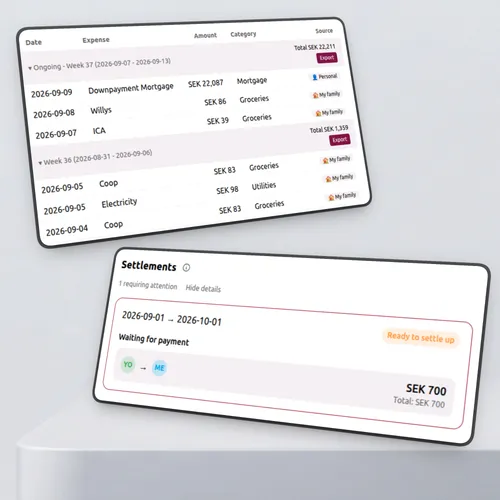
If you have agreed to keep your accounts separate but need help deciding how to divide household bills, see our couples expense splitter . It covers contribution methods and lets you compare possible splits without requiring you to combine your personal finances.

FAQs

Separate finances for married couples: common questions

Answers about financial independence, personal accounts, privacy, and changing circumstances in marriage.

Can married couples keep separate bank accounts?

Yes. Married couples can maintain individual bank accounts. The practical and legal implications depend on where they live, their marital property arrangements, and any applicable agreements. Couples can also keep personal accounts while managing household costs together.

Do married couples have to combine their money?

No. Couples can choose separate accounts, joint accounts, or a combination of both. The best arrangement depends on their preferences, circumstances, and the rules that apply in their jurisdiction. Keeping separate accounts does not prevent spouses from budgeting together or sharing household expenses.

Is it normal for married couples to keep their finances separate?

Couples organize their finances in different ways. Some prefer joint accounts, while others value individual financial independence or combine personal accounts with shared arrangements. Separate finances can work when both partners understand and accept the arrangement and have a clear plan for shared responsibilities.

What are the advantages of keeping finances separate after marriage?

Separate finances can preserve personal spending autonomy, allow each spouse to maintain established financial routines, and make individual savings goals easier to manage independently. They can also require more coordination and deliberate communication about shared responsibilities. Agreeing on how to pay household bills and handle unexpected costs can help make the arrangement practical.

Does keeping separate finances mean hiding money from your spouse?

No. Financial privacy and financial secrecy are different. Couples can maintain personal accounts while being open about debts, obligations, and decisions that materially affect their shared financial future. Agreeing on reasonable boundaries for privacy and transparency can help both partners feel independent without being left unprepared for shared commitments.

Should spouses tell each other how much money they have?

There is no single approach to every personal financial detail, but spouses should discuss information that affects shared commitments and informed decision-making. Income, significant debts, financial obligations, and plans that affect household stability are especially important to discuss. Agreeing on reasonable expectations for transparency can help prevent misunderstandings.

Can married couples keep separate finances when they have children?

Yes. However, children can change household responsibilities, work patterns, and financial needs. Couples should discuss how childcare costs, caregiving responsibilities, reduced income, and long-term family commitments will affect their arrangement. A shared household budget can help clarify which costs you will cover together and how you will fund them.

What happens if one spouse stops working?

A loss of income or a career break can change the balance of financial independence within a marriage. Discuss how shared obligations, personal spending, savings, and financial security will be handled, particularly if one spouse takes on more unpaid caregiving. You may need to reconsider equal contributions or agree on another arrangement that reflects your changed circumstances.

Can separate finances protect assets in a marriage?

Separate bank accounts do not necessarily determine who legally owns an asset or whether it is protected from a spouse’s claims. Those questions depend on local law, the circumstances in which assets were acquired, and any applicable marital or property agreements. Account separation alone should not be treated as a guarantee of asset protection. Seek qualified local legal advice for your situation.

How can we split household bills without combining bank accounts?

You can maintain individual accounts while agreeing on how shared household costs will be funded. Options include splitting bills equally, contributing in proportion to your incomes, or agreeing on fixed amounts for regular expenses. Decide which costs are shared, how each partner will pay, and how you will handle any differences in contributions.

How do married couples manage shared expenses with separate finances?

Couples can keep personal accounts while agreeing on how shared costs, such as housing, utilities, groceries, and family expenses, will be paid. They can use a joint account for household costs or contribute from their individual accounts. The important thing is to agree on which expenses are shared, how much each partner contributes, and how payments will be tracked.

Are separate finances fair when spouses earn different amounts?

They can be, provided both partners agree that the arrangement reflects their incomes, responsibilities, and circumstances. Some couples prefer equal contributions, while others account for income differences, unpaid caregiving, and individual financial commitments. Discuss what each person can reasonably afford and review the arrangement when circumstances change.

How much financial information should spouses share?

Couples can retain privacy around personal spending while sharing information that affects household obligations, debts, and major financial commitments. Agreeing on what to disclose helps preserve independence without creating avoidable financial surprises. Keeping a record of shared expenses and payments can also help both partners understand how household costs are being covered.

How often should married couples review their separate-finance arrangement?

Review the arrangement periodically and whenever circumstances change, such as a new job, a child, a move, a change in income, or retirement planning. Check whether shared costs are still divided fairly, whether both partners can meet their personal obligations, and whether your current approach still meets your needs. Regular conversations help ensure the arrangement remains practical for both spouses.

Keep your independence. Build a financial life together.

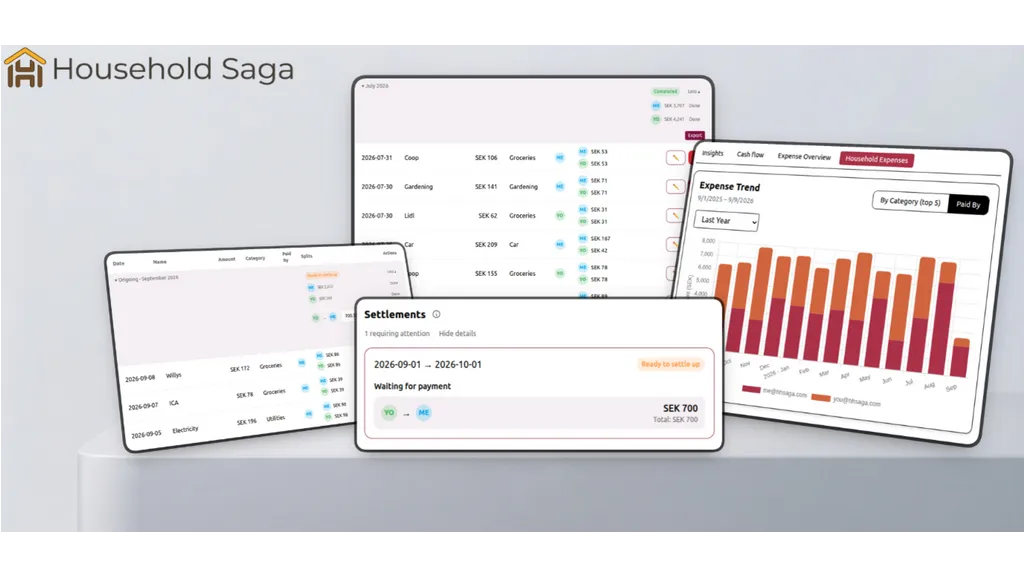
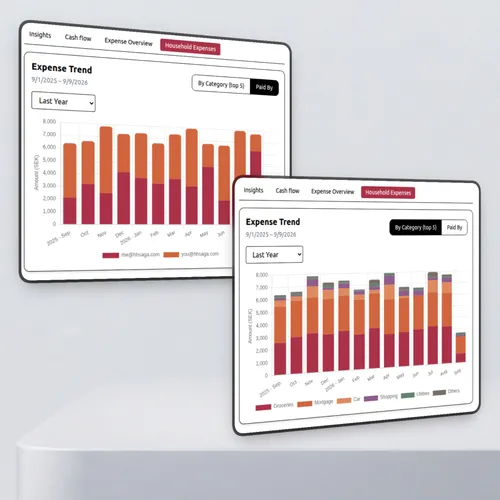
Use Household Saga for a system that respects personal financial boundaries while giving you both clarity about the commitments you share.